 KIELI
KIELI 

Kotiin / Uutiset / Teollisuusuutiset / 300 Ton Die Casting Machine Price: 2026 Complete Buyer's Guide
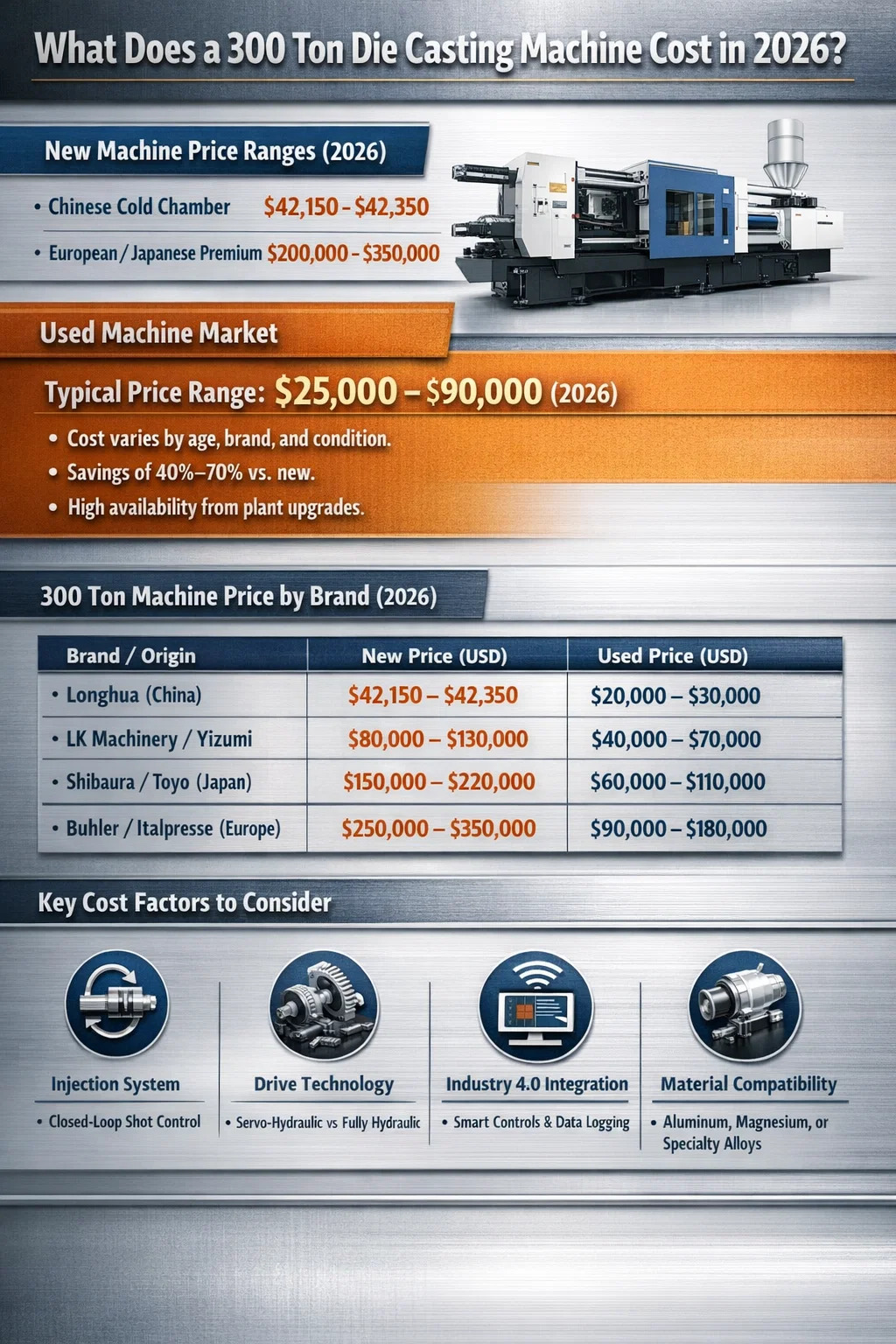
What Does a 300 Ton Die Casting Machine Cost in 2026?
The price of a 300 ton die casting machine in 2026 ranges from $42,000 to $350,000 new, depending on the machine type, origin, and configuration. Chinese-manufactured cold chamber die casting machines at 300 tons, such as the Longhua horizontal high-pressure model, are listed at approximately $42,150–$42,350 per unit from verified factory suppliers. Mid-tier models from established Asian brands like LK Machinery, Yizumi, or Toyo typically fall in the $80,000–$150,000 range. Premium European and Japanese die casting machines at equivalent tonnage — from names like Buhler, Italpresse, or Shibaura Machine (formerly Toshiba Machine) — can push well past $200,000 when new.
For buyers with budget constraints, the used die casting machine market offers significant savings. A pre-owned 300 ton cold chamber unit in good working condition typically sells for $25,000–$90,000, depending on age, brand, and included peripherals. The global used machine trade is highly active in 2026, with dealers in North America, Europe, and Asia sourcing units from automotive plant upgrades and EV-line transitions.
Understanding what drives these price differences is critical before committing capital. The sections below break down every major cost factor, machine type comparison, brand-by-brand considerations, and what buyers in 2026 should specifically watch for in a market shaped by electrification and Industry 4.0 requirements.
Hot Chamber vs Cold Chamber: Which Type Fits 300 Ton Applications?
The 300 ton clamping force range sits in an interesting middle ground within the die casting machine spectrum. Most machines at this tonnage are cold chamber die casting machines, purpose-built for aluminum, magnesium, and brass alloys that have melting points above 630°C. In cold chamber die casting, the furnace and injection system are kept physically separate — molten metal is ladled into the shot sleeve before each injection cycle, preventing corrosion of the injection mechanism from prolonged exposure to high-temperature alloys.
Hot chamber machines at 300 tons do exist but are far less common. Hot chamber die casting is designed for low-melting alloys like zinc, tin, and lead, where the injection gooseneck is submerged directly in the melt. At 300 tons, a hot chamber gooseneck-type machine runs approximately $200,000, while a plunger-type hot chamber model at the same tonnage is closer to $250,000 — more expensive because of the greater injection precision offered. That said, the overwhelming majority of 300 ton purchases in 2026 are cold chamber units for aluminum die casting, driven by automotive and electronics sector demand.
Horizontal vs Vertical Cold Chamber at 300 Tons
Within cold chamber die casting, the 300 ton class is available in both horizontal and vertical configurations. Horizontal cold chamber machines are the industry standard — they accommodate a wider range of die geometries, integrate more readily with automation cells, and cycle faster. Vertical machines, while less common, are preferred for insert casting and gravity-assist filling where part geometry makes horizontal injection impractical. Expect to pay a 5–10% premium for vertical configurations.
300 Ton Die Casting Machine Price by Brand and Origin (2026)
Brand origin remains one of the most significant determinants of price. The table below reflects 2026 market pricing compiled from manufacturer listings, wholesale platforms, and used equipment dealers.
| Brand / Origin | Machine Type | New Price (USD) | Used Price (USD) |
|---|---|---|---|
| Longhua (China) | Cold Chamber, Horizontal | $42,150 – $42,350 | $20,000 – $30,000 |
| LK Machinery / Yizumi (China) | Cold Chamber, HPDC | $80,000 – $130,000 | $40,000 – $70,000 |
| Shibaura Machine / Toyo (Japan) | Cold Chamber, HPDC | $150,000 – $220,000 | $60,000 – $110,000 |
| Frech / Colosio (Europe) | Cold/Hot Chamber | $200,000 – $300,000 | $80,000 – $150,000 |
| Buhler / Italpresse (Europe) | Cold Chamber, HPDC | $250,000 – $350,000 | $90,000 – $180,000 |
The price gap between a Chinese entry-level unit and a European premium brand can exceed $300,000 at 300 tons. That differential reflects real differences in engineering precision, component quality, control system sophistication, and long-term service infrastructure — but it does not automatically mean a European machine is the right choice for every buyer. A consumer electronics contract manufacturer running three shifts on zinc alloys has a very different payback calculation than a Tier-1 automotive aluminum structural parts supplier.
Key Factors That Directly Affect the Price of a 300 Ton Die Casting Machine
Injection System Design and Shot Control
The injection system — specifically how the plunger accelerates through the slow, fast, and intensification phases — is the most technically demanding part of any die casting machine. Machines with real-time, closed-loop shot control that can repeat injection profiles to within tight tolerances cost meaningfully more than open-loop hydraulic systems. In 2026, buyers should expect a 10–18% price premium for machines featuring adaptive shot control with digital feedback, versus conventional hydraulic injection with manual profile adjustment.
Servo-Hydraulic vs Fully Hydraulic Drive
Servo-hydraulic hybrid drive systems are now standard in Tier-1 automotive supplier facilities. These systems vary pump output in real time to match actual machine demand, reducing energy consumption by 30–40% per cycle compared to fixed-displacement hydraulic pumps that run continuously. A servo-driven 300 ton machine carries a 10–15% higher purchase price but typically achieves ROI within 18–36 months on energy savings alone in high-volume operations. Fully hydraulic units at 300 tons remain available and remain cost-competitive for lower-cycle applications where energy draw is not a primary concern.
Control System and Industry 4.0 Integration
In 2026, die casting machines with native OPC UA connectivity, embedded edge analytics, and real-time process monitoring dashboards are no longer optional upgrades for serious production facilities — they are baseline requirements for ISO compliance audits and customer quality certifications at most Tier-1 automotive and electronics customers. Machines without digital process logging capacity are increasingly difficult to justify to procurement teams. Budget an additional $8,000–$25,000 for fully integrated Industry 4.0-ready control systems on otherwise comparable 300 ton machines.
Material Compatibility and Special Coatings
Standard cold chamber die casting machines handle aluminum alloys (A380, ADC12, and similar) without special modifications. Machines configured for magnesium die casting require fire suppression features and modified shot sleeves, adding $30,000–$60,000 to the base price. Machines for copper-based alloys require specialized wear-resistant components throughout the injection pathway, increasing costs further. If your alloy mix includes aggressive corrosive materials, confirm material compatibility with the manufacturer before quoting and verify what coatings are standard versus optional.
Mold Size (Tie-Bar Spacing) and Die Capacity
A 300 ton clamping force rating tells you the maximum force applied to keep the die halves closed during injection, but tie-bar spacing determines the largest die that physically fits the machine. Two 300 ton machines from different manufacturers can have significantly different tie-bar distances — a machine with 650 mm × 650 mm spacing accepts very different tooling than one with 730 mm × 730 mm. Always confirm tie-bar spacing, minimum/maximum die thickness (mold height), and ejector stroke when comparing quotes, as these directly impact tooling compatibility with existing or planned dies.
Import Costs, Duties, and Currency
Buyers importing machines from China to the United States, Europe, or other markets need to account for shipping, import duties, customs clearance, and installation costs that can add 15–25% to the landed price. Importing from Asia to North America could reduce net machine cost by 20–30% after duties compared to equivalent European-made machines, though currency fluctuations introduce variability. For European buyers, sourcing from domestic manufacturers like Frech or Colosio often makes total cost sense after factoring in support responsiveness and spare parts lead times.
What Is a 300 Ton Die Casting Machine Actually Used For?
The 300 ton class occupies a productive middle range in the die casting machine spectrum. It is too large for tiny precision zinc parts (better suited to 20–100 ton hot chamber machines) but well-sized for a broad category of medium aluminum and magnesium components. Common applications in 2026 include:
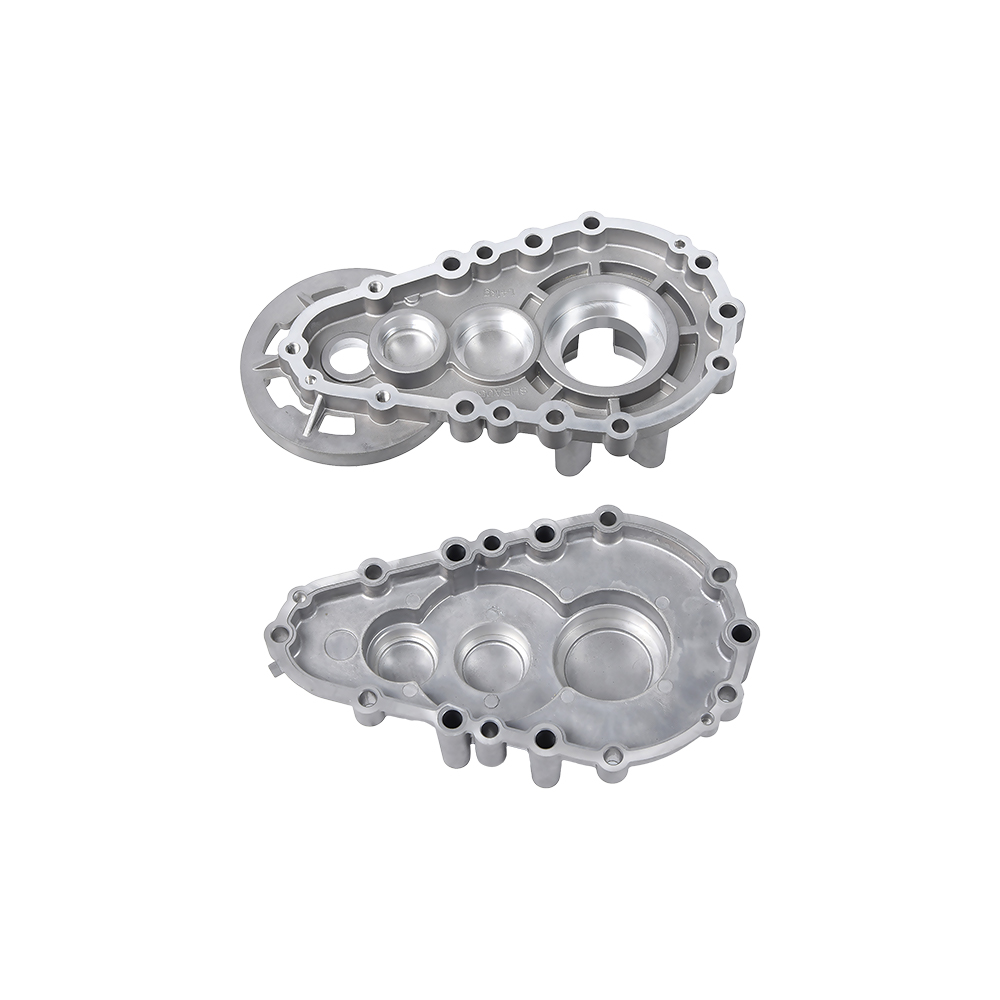
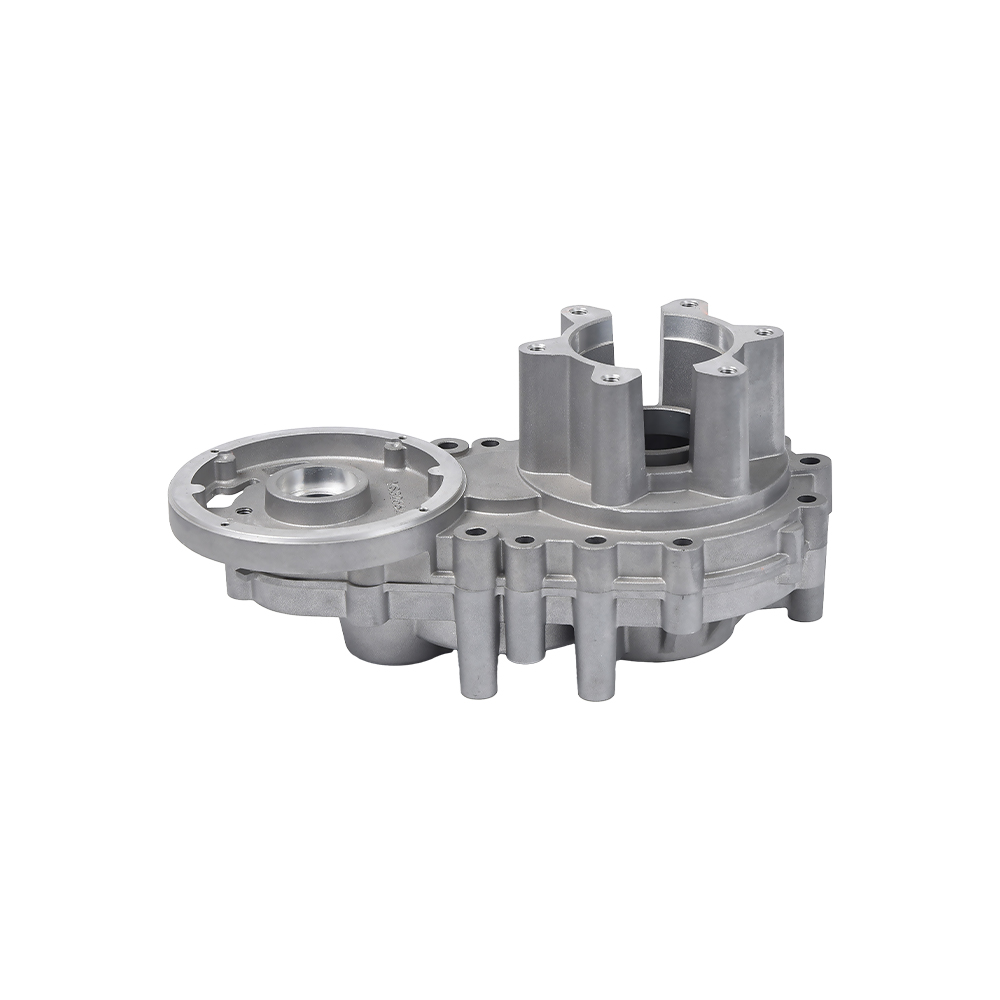
- Automotive engine covers, oil pans, transmission end caps, and sensor housings
- Electric vehicle (EV) battery module brackets and small structural sub-components
- Consumer electronics enclosures including laptop chassis frames, industrial camera bodies, and heat sinks for power electronics
- Power tool housings, appliance frames, and electric motor end bells
- LED street light housings and 5G antenna mounting structures
- Hydraulic valve bodies and fluid system components for industrial machinery
The 300 ton range is particularly suited to contract manufacturers serving multiple industries simultaneously — it is versatile enough to run automotive parts in one shift and electronics housings in the next, provided die changeover times are managed efficiently. Cycle rates for 300 ton cold chamber aluminum machines typically run 40 to 80 cycles per hour, depending on part wall thickness, cooling channel design, and alloy type.
New vs Used 300 Ton Die Casting Machines: How to Decide
The used die casting machine market in 2026 is well-supplied, partly because automotive OEMs and Tier-1 suppliers are replacing older hydraulic machines with servo-hydraulic and digitally integrated models, and partly because the rapid shift to gigacasting for EV structural components is freeing up smaller-tonnage equipment from plants that previously ran 300–800 ton cells for ICE vehicle parts.
Advantages of Buying New
- Full manufacturer warranty, typically 12–24 months on main components
- Latest servo-hydraulic and digital control technology as standard equipment
- Fully customizable tie-bar spacing, shot weight, and peripheral integration from the factory
- Compliance with current ISO 20430:2022 die casting machine safety standards
- Easier qualification for customer audits in automotive and electronics supply chains
Advantages of Buying Used
- Purchase price savings of 40–70% versus equivalent new machines
- Immediate availability — no 6–18 month new machine lead times from manufacturers
- Known production history on well-maintained machines from reputable plants
- Opportunity to acquire complete automated cells (machine + robot + furnace + trim press) at consolidated pricing
- Strong resale market if production requirements change
The critical due diligence steps before purchasing a used 300 ton die casting machine include: reviewing actual shot counter data (not estimated hours), inspecting the tie bars, platen faces, and injection plunger for wear, testing the injection profile repeatability across 20 consecutive shots, and verifying that control system components are still supported by the OEM with available spare parts. Hydraulic seals, shot sleeves, and plunger tips are consumables — their current condition tells you a great deal about how the machine was maintained.
Total Cost of Ownership Beyond Purchase Price
Purchase price is only one component of what a 300 ton die casting machine will cost over its operational life. Buyers who anchor exclusively on the initial price often underestimate costs that accumulate over years of operation. The major ongoing cost categories are:
Energy Consumption
A 300 ton conventional hydraulic die casting machine running three shifts draws significant electrical power. Servo-hydraulic machines at equivalent tonnage consume 30–41% less energy per cycle — a difference that compounds dramatically across millions of shots per year. In a high-volume operation running 200,000+ shots annually, energy savings from a servo drive system can represent $15,000–$40,000 per year depending on local electricity rates, delivering payback on the servo premium within two to three years.
Tooling, Die Maintenance, and Shot Sleeve Replacement
Dies for a 300 ton machine vary enormously in cost depending on part complexity, number of cavities, and material selection — from $20,000 for a simple single-cavity aluminum die to $150,000+ for a complex multi-cavity hardened H13 tool set. Shot sleeves are consumables that require replacement every 50,000–150,000 shots depending on alloy abrasiveness and operating temperature. Plunger tips require replacement even more frequently in some aluminum applications. Factoring die repair, shot sleeve replacement, and plunger tip costs into your operational budget is non-negotiable for accurate production cost modeling.
Spare Parts Availability and Support
The true cost of a die casting machine becomes visible when a critical component fails mid-production. A European aerospace manufacturer documented paying $700,000 for a Buhler machine when a $400,000 alternative was available — citing the Buhler machine's documented 99% uptime versus approximately 85% for the lower-cost option. That 14-point uptime difference, on a machine producing high-margin aerospace castings, justified the entire price premium within the first year of production. For buyers sourcing Chinese machines, confirm that the manufacturer maintains a spare parts inventory in your region, or that a local distributor stocks critical wear components.
Die Change Time and Production Flexibility
Machines marketed with fast die change times frequently deliver slower results in actual production conditions. Field data across multiple foundries shows that die change times rated at three minutes by manufacturers average 7.4 minutes in real-world conditions when accounting for staff variability, tooling wear, and alignment procedures. For contract manufacturers running multiple part numbers on the same 300 ton machine, die change efficiency directly translates to available production hours — evaluate this metric rigorously against verified field references, not vendor datasheets.
How the 2026 Die Casting Market Shapes Pricing and Availability
The broader die casting machine market context in 2026 is directly relevant to buyers sourcing 300 ton equipment. The global die casting machinery market grew from $3.62 billion in 2025 to $3.87 billion in 2026, expanding at a compound annual growth rate of 8.24%. This growth reflects sustained capital investment from the automotive sector's EV transition, electronics manufacturing expansion, and greenfield industrial development in Southeast Asia and Eastern Europe.
Aluminum high-pressure die casting (HPDC) now accounts for 68% of all new machine orders globally, up from 59% in 2022 — driven by structural EV component demand including battery trays, front-end carriers, and motor housings. This demand concentration in aluminum HPDC is keeping lead times elevated at premium European and Japanese manufacturers, with new machine delivery windows currently running 9–16 months for complex configurations.
Chinese manufacturers continue to expand their export presence, with multiple makers in Guangdong, Jiangsu, and Zhejiang provinces certified to CE, ISO 9001, and TS16949 standards. The average aluminum content per vehicle is expected to reach 550 pounds (250 kg) by 2026 for light-duty trucks — a figure that sustains massive ongoing demand for aluminum die casting capacity across all tonnage classes, including 300 ton machines serving medium-component production.
Servo-hydraulic hybrid systems have displaced fully hydraulic units in 73% of Tier-1 automotive supplier facilities worldwide — a statistic that matters for 300 ton buyers both because it reflects where the technology standard is moving and because it means a large volume of older fully-hydraulic 300 ton machines is entering the used market as plants upgrade. This creates favorable conditions for used machine buyers who are comfortable with older control systems or plan to retrofit them.
Peripheral Equipment Costs to Budget Alongside the Machine
A 300 ton die casting machine does not operate in isolation. The peripheral equipment required to run a complete die casting cell adds substantially to total capital expenditure. A realistic peripheral budget for a new 300 ton aluminum cell includes:
- Holding or dosing furnace: $15,000–$60,000, depending on capacity and whether a simple holding furnace or a pressurized dosing unit is used. Dosing furnaces improve shot weight consistency and reduce metal handling labor but cost significantly more.
- Die spray system: $8,000–$25,000 for automatic release agent spraying equipment. Manual spraying at 300 tons is increasingly rare in volume production due to cycle time and consistency constraints.
- Part extraction robot or extractor: $20,000–$80,000 for a dedicated extraction arm or a full foundry-rated robot (Kuka, ABB, Fanuc foundry variants). Robots at this cell size can simultaneously spray, extract, and place parts, removing three manual operations.
- Trim press: $15,000–$50,000 for trimming gates and flash from aluminum castings. Gate removal at 300 tons typically requires 80–200 ton trim presses depending on part geometry.
- Die temperature controller: $5,000–$15,000 per zone. Maintaining die cavity surface temperature within ±0.8°C using dual-zone PID control is critical for dimensional consistency in precision aluminum parts — deviations beyond ±2.5°C can increase dimensional variation by 0.042 mm per 100 mm of part length and raise porosity risk by 27%.
- Cooling water system: $5,000–$20,000 for a dedicated closed-loop cooling circuit. Water quality management matters — zinc-phosphate or nanoceramic die spray coatings degrade faster when exposed to certain coolant blends.
A fully equipped 300 ton aluminum die casting cell — machine plus all peripherals — realistically costs $120,000 to $600,000+ depending on the machine brand tier and level of automation. Buyers who budget only for the machine price and discover peripheral costs later often face significant capital overruns during commissioning.
Where to Source 300 Ton Die Casting Machines in 2026
Sourcing channels in 2026 vary significantly in what they offer, and matching the right channel to your requirements saves both time and money.
Direct from Manufacturers
For new machines, direct manufacturer sourcing offers full configuration control, factory warranties, and access to the OEM's engineering support team. Chinese manufacturers including Longhua, LK Machinery, Yizumi, and K&E Machinery list models on Made-in-China.com and Alibaba with verifiable business credentials, multiple years of export history, and CE certification. Japanese manufacturers like Shibaura Machine and Toyo operate through regional distributor networks in North America, Europe, and Southeast Asia. European manufacturers like Buhler, Frech, and Italpresse operate similarly. Lead times from Chinese manufacturers for new 300 ton machines are typically 60–120 days; European and Japanese manufacturers run 9–16 months for new equipment in 2026.
Used Machine Dealers
Specialized used die casting machine dealers with industry expertise and transparent machine histories are the most reliable route for pre-owned equipment. Dealers with decades of industry experience have established global buying networks and can source specific brands and tonnage classes from plant auctions, OEM trade-ins, and direct plant purchases. Quality dealers provide inspection reports, can arrange third-party technical evaluations, and sometimes refurbish machines before resale. Beta Die Casting, Fiss Machines in Europe, and similar regional specialists operate in this space alongside generalist machinery auction platforms. Auction platforms can yield lower prices but offer less pre-purchase technical validation.
Online Wholesale Platforms
Platforms like Made-in-China.com and Alibaba aggregate listings from hundreds of Chinese die casting machine manufacturers, enabling direct price comparison across brands, configurations, and certifications. For buyers comfortable sourcing from China, these platforms provide useful market transparency. The critical step is verifying manufacturer credentials, visiting the factory (or arranging an agent inspection), and confirming after-sales service commitments in writing before purchase — not relying solely on platform ratings or listed specifications.
Key Questions to Ask Before Purchasing a 300 Ton Die Casting Machine
The following questions should be resolved before finalizing any purchase, whether buying new or used:
- What is the actual tie-bar spacing (horizontal and vertical) and the minimum/maximum die height (mold thickness) the machine accepts?
- What shot weight range (in grams of aluminum) does the injection system reliably handle at this tonnage?
- Is the control system OPC UA compatible, and can raw machine log data be exported directly without vendor processing?
- What is the MTBF (mean time between failures) for this specific tonnage class, based on verified field data rather than theoretical ratings?
- Where are spare parts warehoused, and what is the standard lead time for critical components (injection cylinder seals, plunger tips, shot sleeves, main hydraulic pump)?
- Does the machine comply with ISO 20430:2022 die casting machine safety standards, and is documentation available?
- What are the installation requirements — foundation specifications, electrical supply (voltage, amperage, phase), cooling water flow rate, and compressed air specification?
- For used machines: what does the actual shot counter read, and is maintenance history documented?
Answering these questions before committing to a purchase — whether the machine costs $42,000 or $350,000 — is what separates a sound capital investment from an expensive operational problem. A 300 ton die casting machine that sits idle due to unavailable spare parts or incompatible control systems costs far more than the price difference between machine tiers.